National Wildlife and Climate Change Board (NWCCB), designed with a federal government and environmental conservation identity suitable for Pakistan
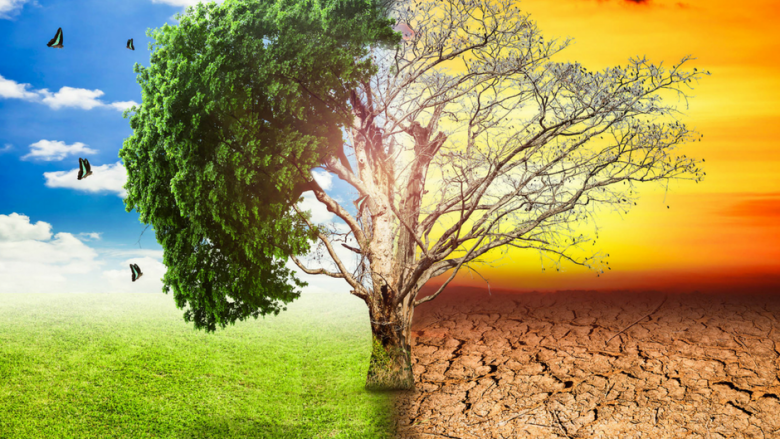

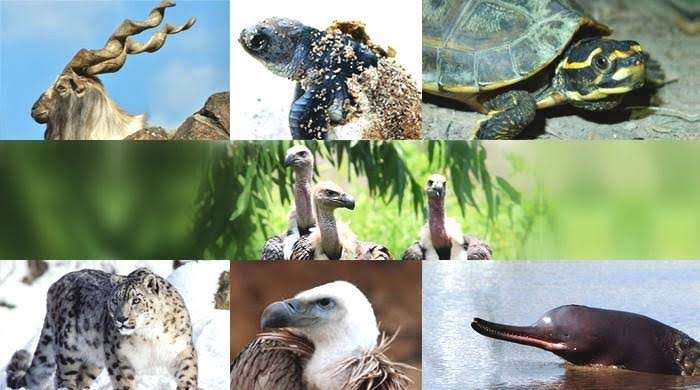
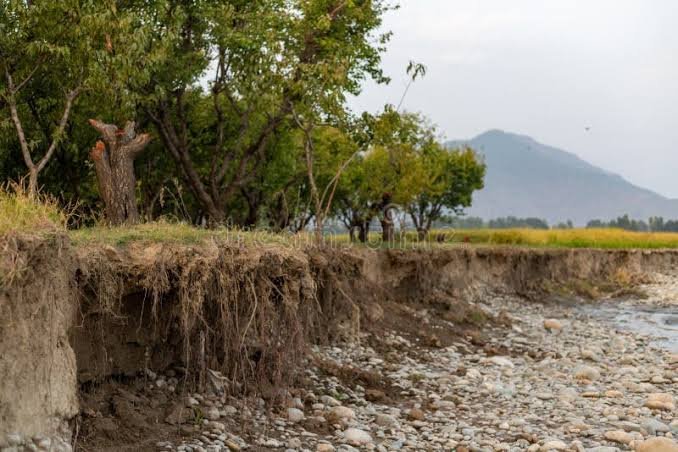
Protecting Nature. Preserving Wildlife. Securing Our Climate Future.
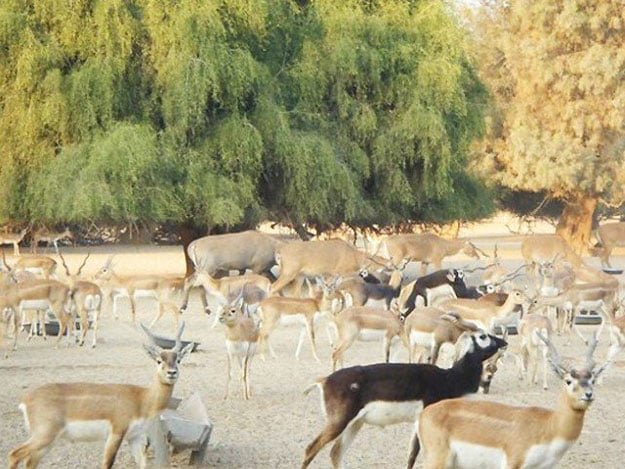
The National Wildlife and Climate Change Board is envisioned as a national platform dedicated to wildlife conservation, biodiversity protection, environmental sustainability, and climate resilience across Pakistan.Our natural environment is one of the country's most valuable assets. From the mountains of the north to the forests, wetlands, deserts, rivers, and coastal ecosystems of the south, Pakistan is home to extraordinary biodiversity and communities whose livelihoods depend on healthy ecosystems.Through conservation initiatives, climate adaptation, environmental awareness, scientific research, and collaboration with relevant institutions, the Board aims to promote a sustainable future for people, wildlife, and nature.
Our vision is a climate-resilient Pakistan where wildlife thrives, ecosystems are protected, and natural resources are safeguarded for future generations.
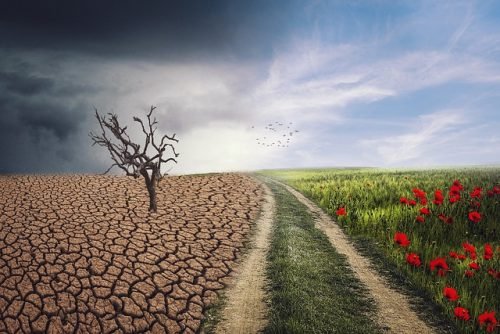
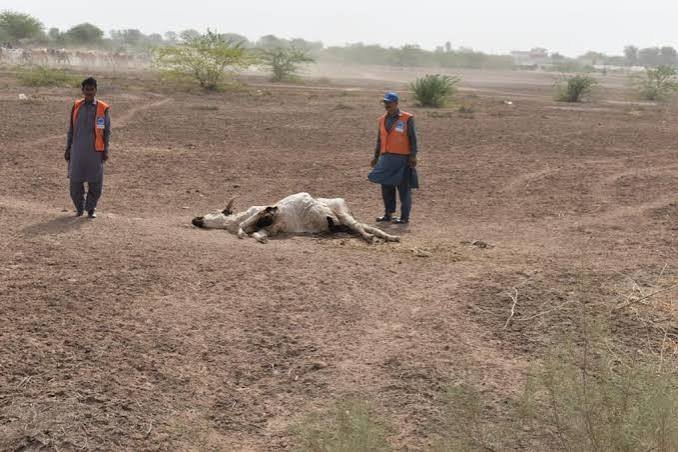
Climate Change Action
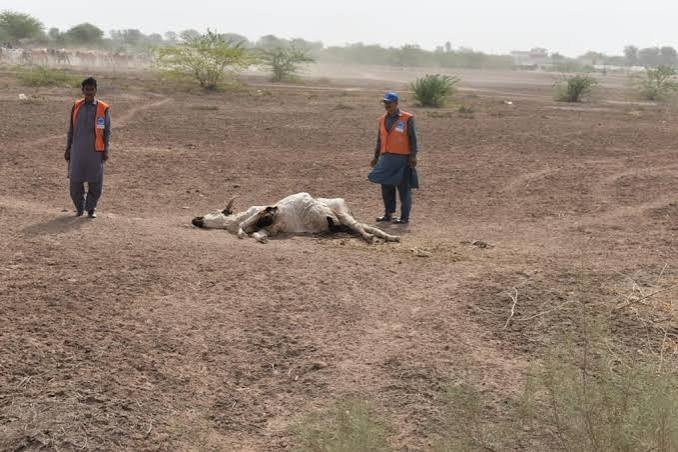
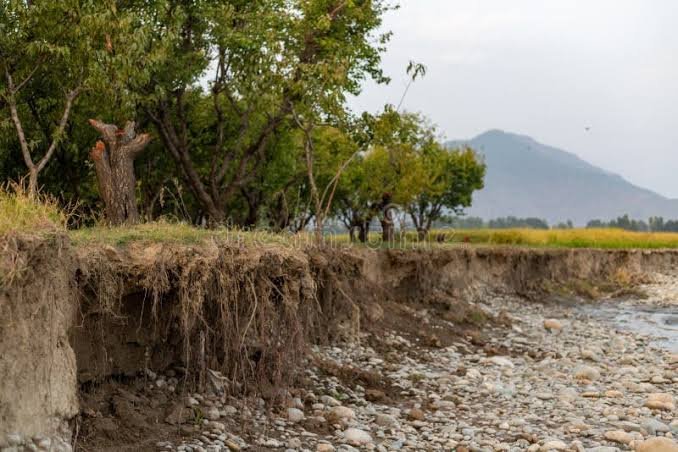
Climate change is a major environmental challenge with implications for Pakistan's ecosystems, biodiversity, agriculture, water security, public infrastructure, and communities.Rising temperatures, changing precipitation patterns, glacier-related risks, droughts, heatwaves, floods, and coastal vulnerabilities highlight the importance of climate adaptation, disaster preparedness, and sustainable environmental management.The Board aims to support initiatives that connect climate action with wildlife conservation, ecosystem restoration, and sustainable development.

Priority Areas
Climate Adaptation
Promote climate-resilient ecosystem management.
Encourage nature-based solutions for climate-related risks.
Support assessments of climate impacts on wildlife and habitats.
Ecosystem Restoration
Promote the restoration of degraded forests, wetlands, grasslands, and coastal ecosystems.
Encourage locally appropriate native vegetation and ecological restoration.
Support the conservation of natural carbon sinks.
Climate Mitigation
Encourage energy efficiency and low-carbon practices within relevant programmes.
Support sustainable land management and emissions-reduction initiatives in coordination with competent authorities.
Climate Research and Monitoring
Facilitate the collection and use of reliable environmental data.
Encourage research into climate impacts on species distribution and ecosystem health.
Promote collaboration between scientists, universities, and public institutions.
Community Resilience
Encourage environmental education, community preparedness, and sustainable livelihoods.
Promote inclusive climate initiatives that consider vulnerable communities and ecosystems.